
Prodesa BIM Marketplace for design, procurement, and construction.
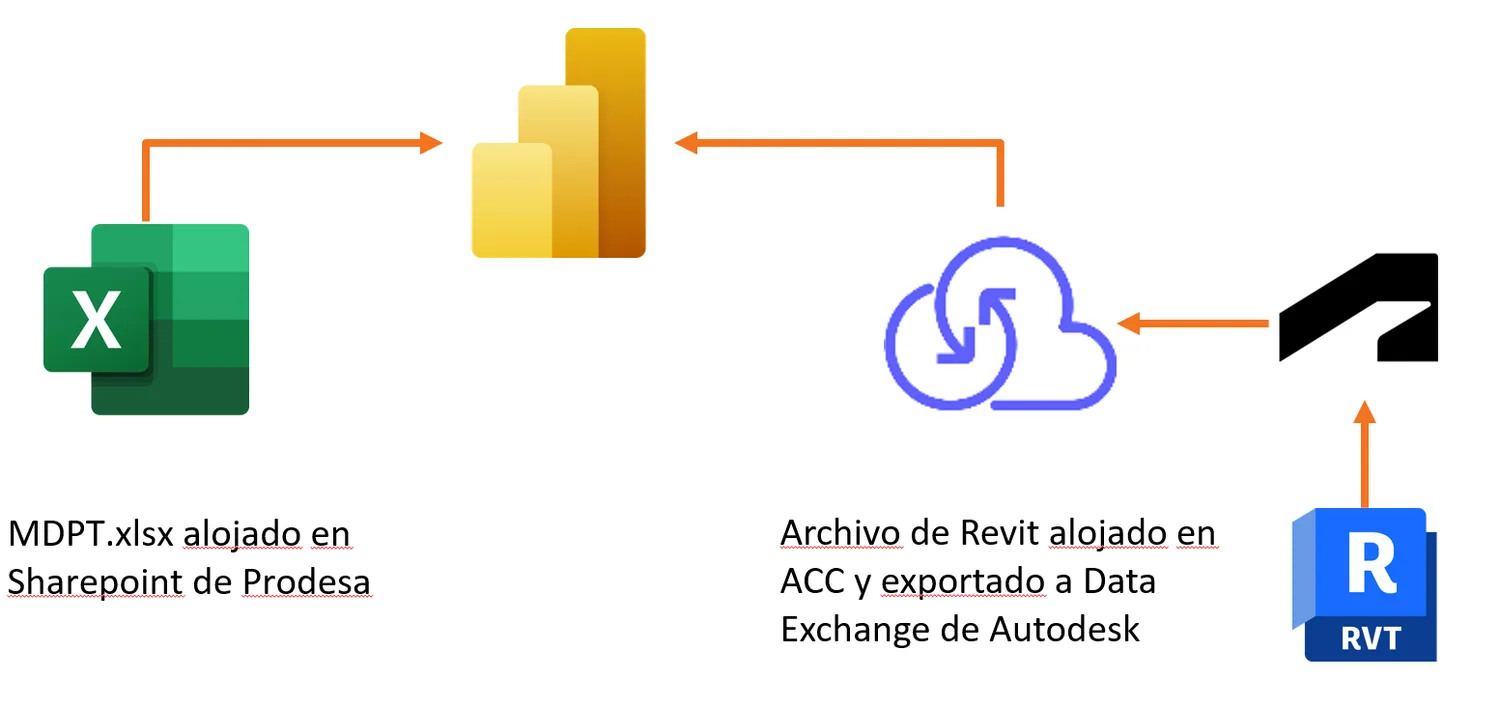
Horizun Group worked with Prodesa to develop a corporate BIM ecosystem that centralizes families, documents, suppliers, technical parameters, and automation in a connected base powered by Power BI, Revit, ACC/Forma, SharePoint, PyRevit, and the Revit API.
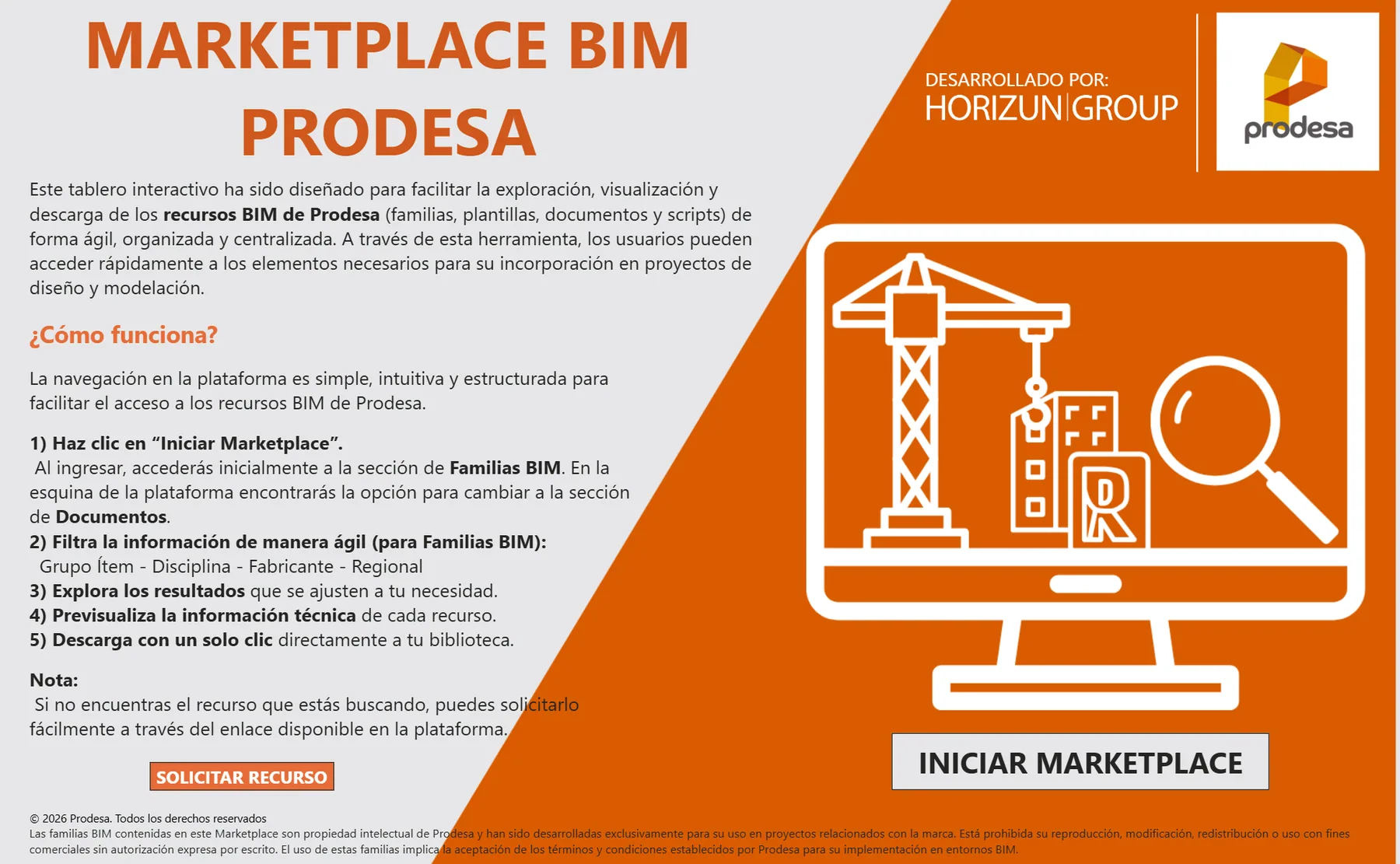
A shared BIM base for multiple teams and external consultants.
Prodesa manages residential projects across multiple regions, coordinating internal teams, designers, and external consultants. The challenge was to avoid every actor starting from separate libraries, parameters, and modeling criteria.
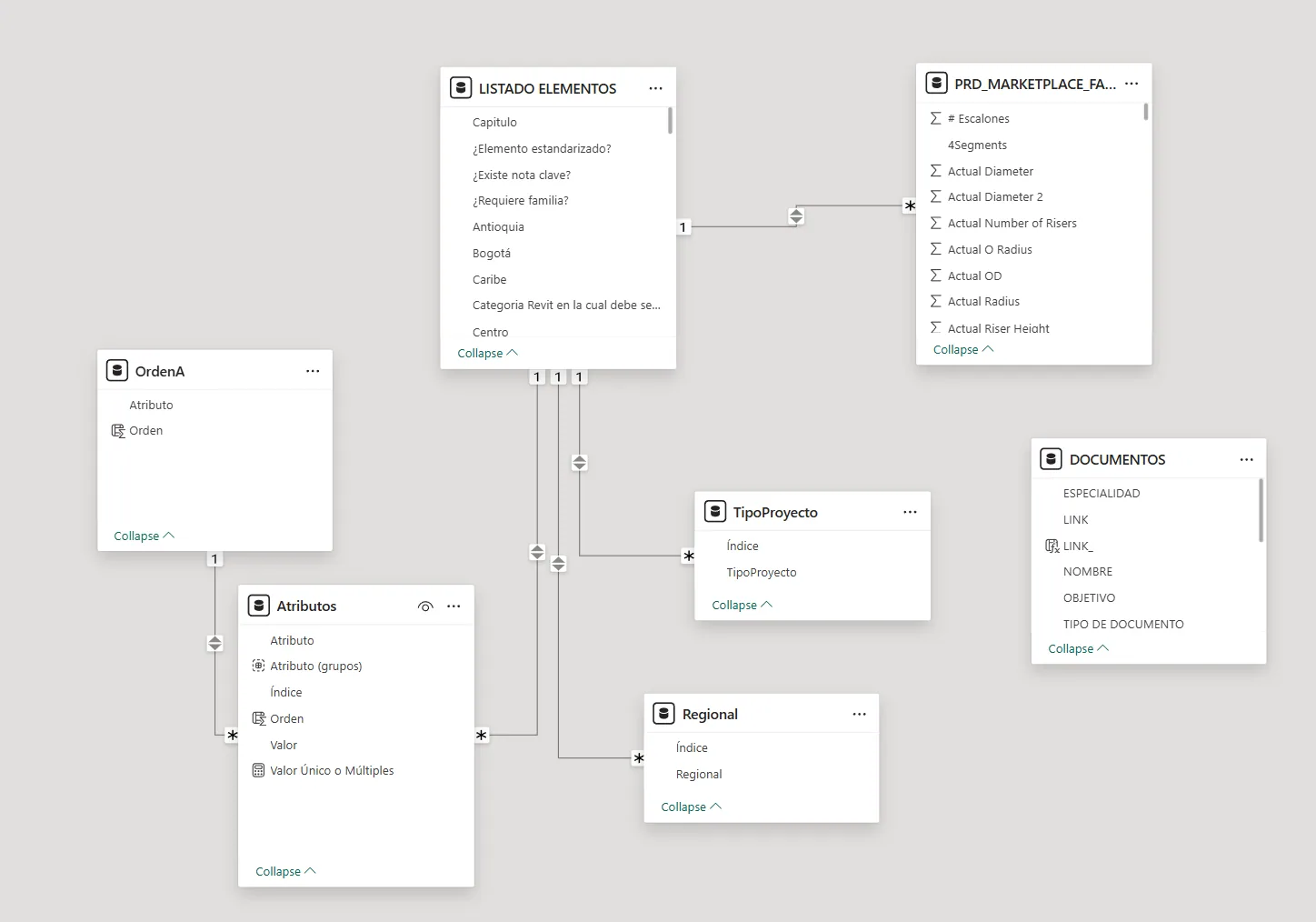
The BIM Marketplace organizes technical resources from the start: Revit families, MPDT parameters, PRODESA CLASS codes, technical sheets, BIM support documents, and validation tools. The goal is to make the model more than geometry: a reliable source of information for specifications, procurement, supply, and construction.
From the corporate catalog to the BIM model and consultation dashboard.
BIM library
Corporate families with supplier-based geometry, LOD 300 standard, and more than 30 technical parameters.
PRODESA CLASS
Connection between modeled elements and the master procurement item list for design-to-construction traceability.
MPDT
Master product and technical data repository managed as a single source of validated information.
Automation
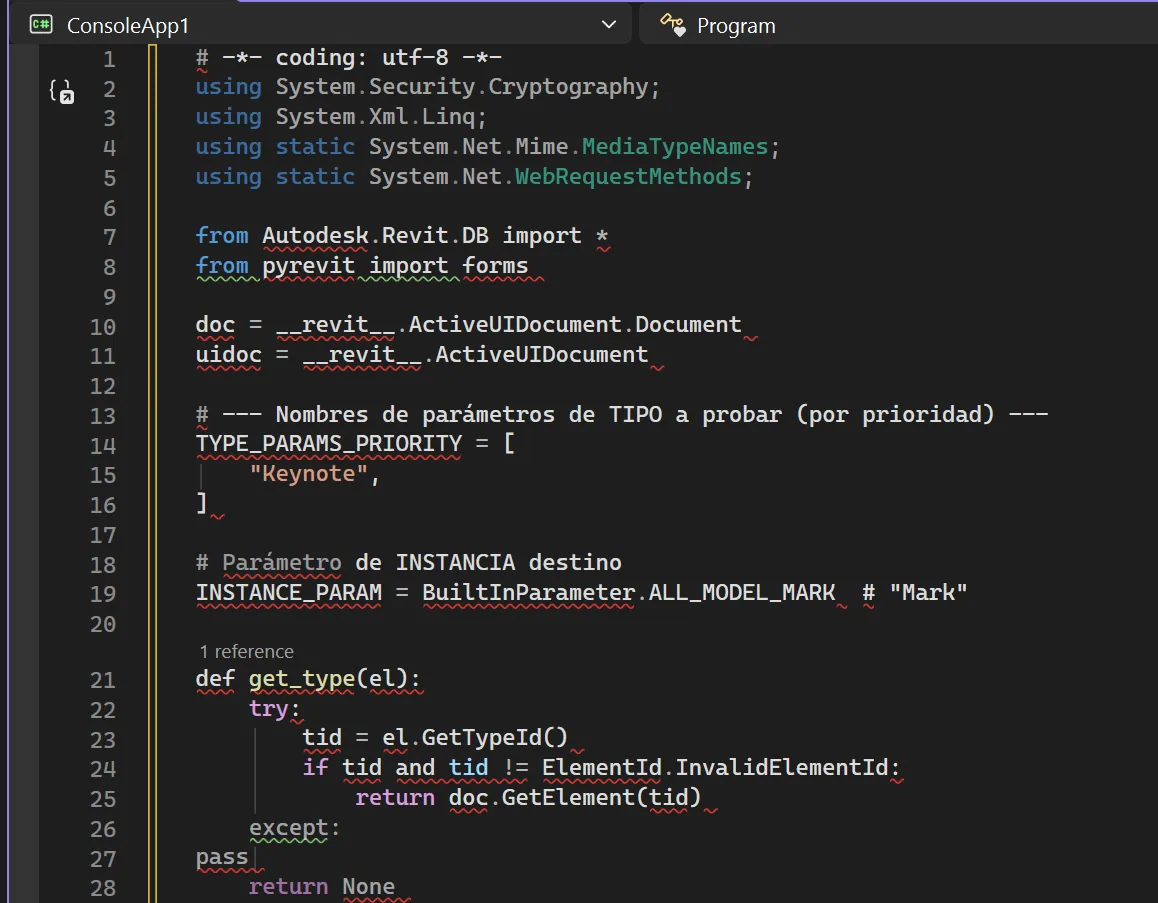
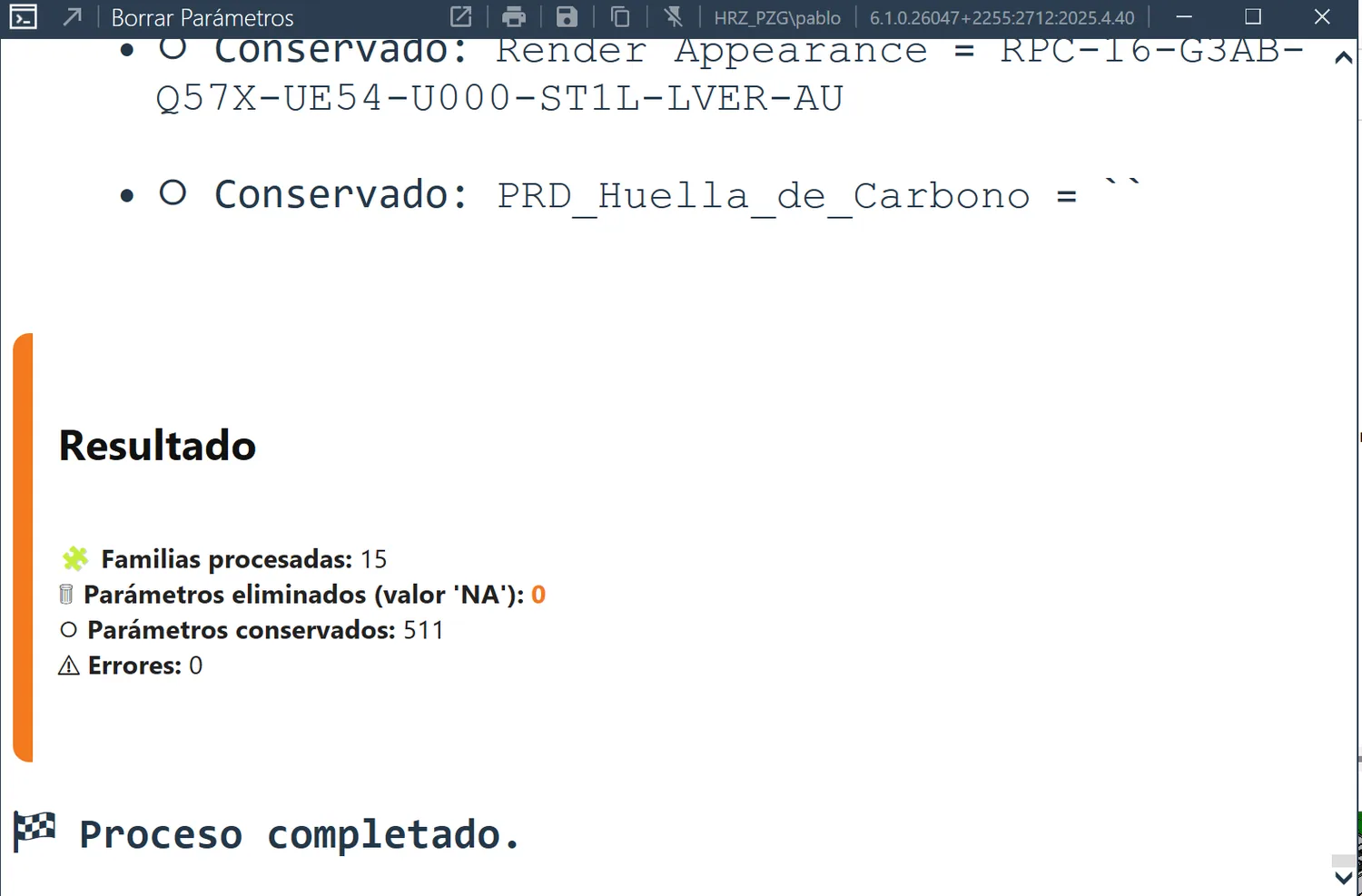
PyRevit and Revit API tools to load parameters, validate standards, and reduce repeated work.
Power BI Marketplace
A consultation interface for families, BIM support documents, partners, technical sheets, and controlled resources.
A BIM ecosystem with data, automation, and control.
What was delivered
- Power BI BIM Marketplace with modules for families, support documents, and suppliers.
- Corporate Revit family library with standardized technical parameters.
- MPDT connected to SharePoint as the technical base for products, suppliers, and status tracking.
- PyRevit automation suite for batch processing of Revit families.
- QA/QC modules built on the Revit API to audit standards before delivery.
Project value
- A common technical base for starting projects with validated information.
- Traceability between design, specifications, procurement, supply, and construction.
- Less dependence on generic libraries or isolated consultant criteria.
- More control over versions, approval status, suppliers, and parameters.
- A scalable system across multiple disciplines, project types, and regions.
Interface, data architecture, automation, and validation for the BIM Marketplace.
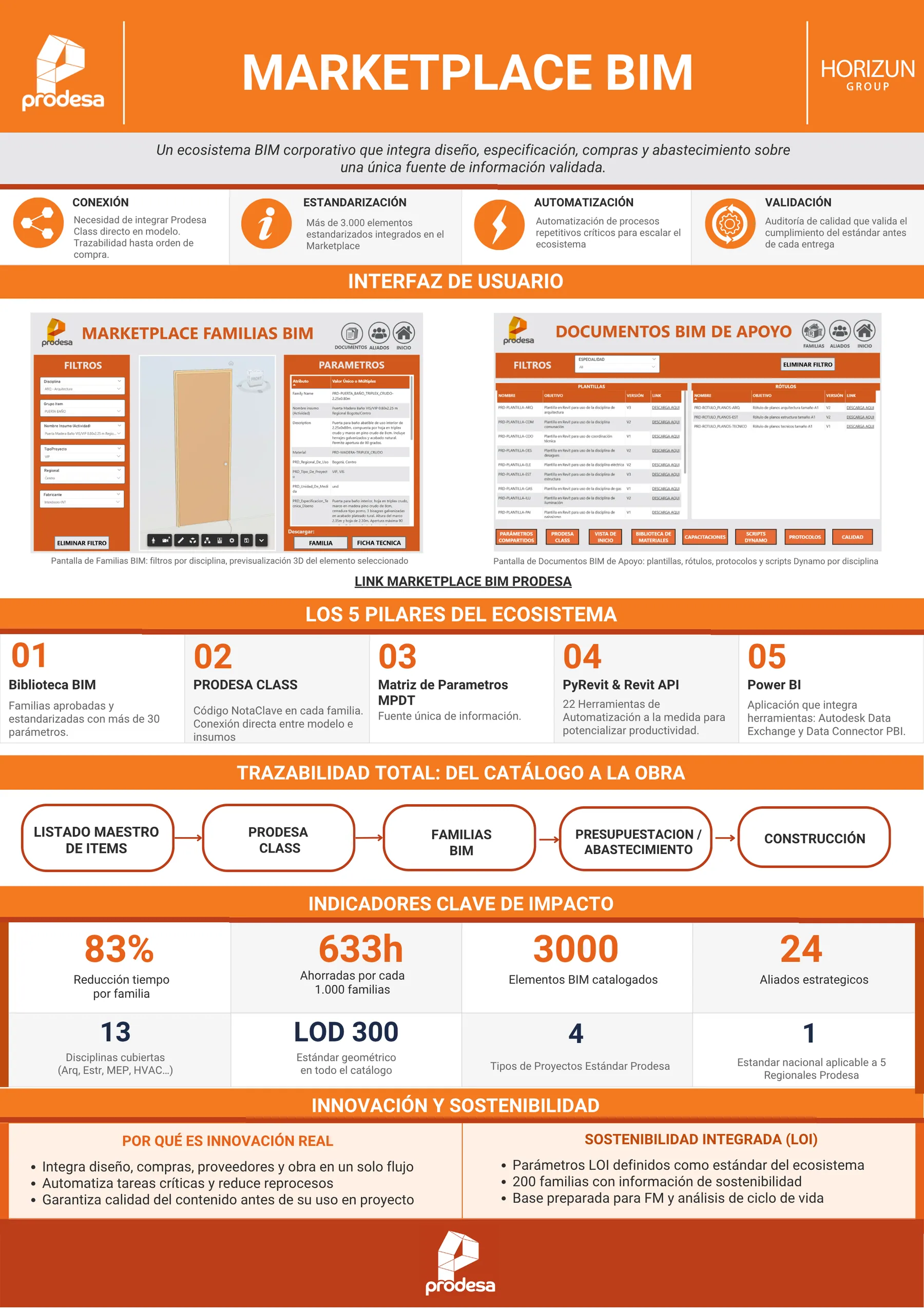
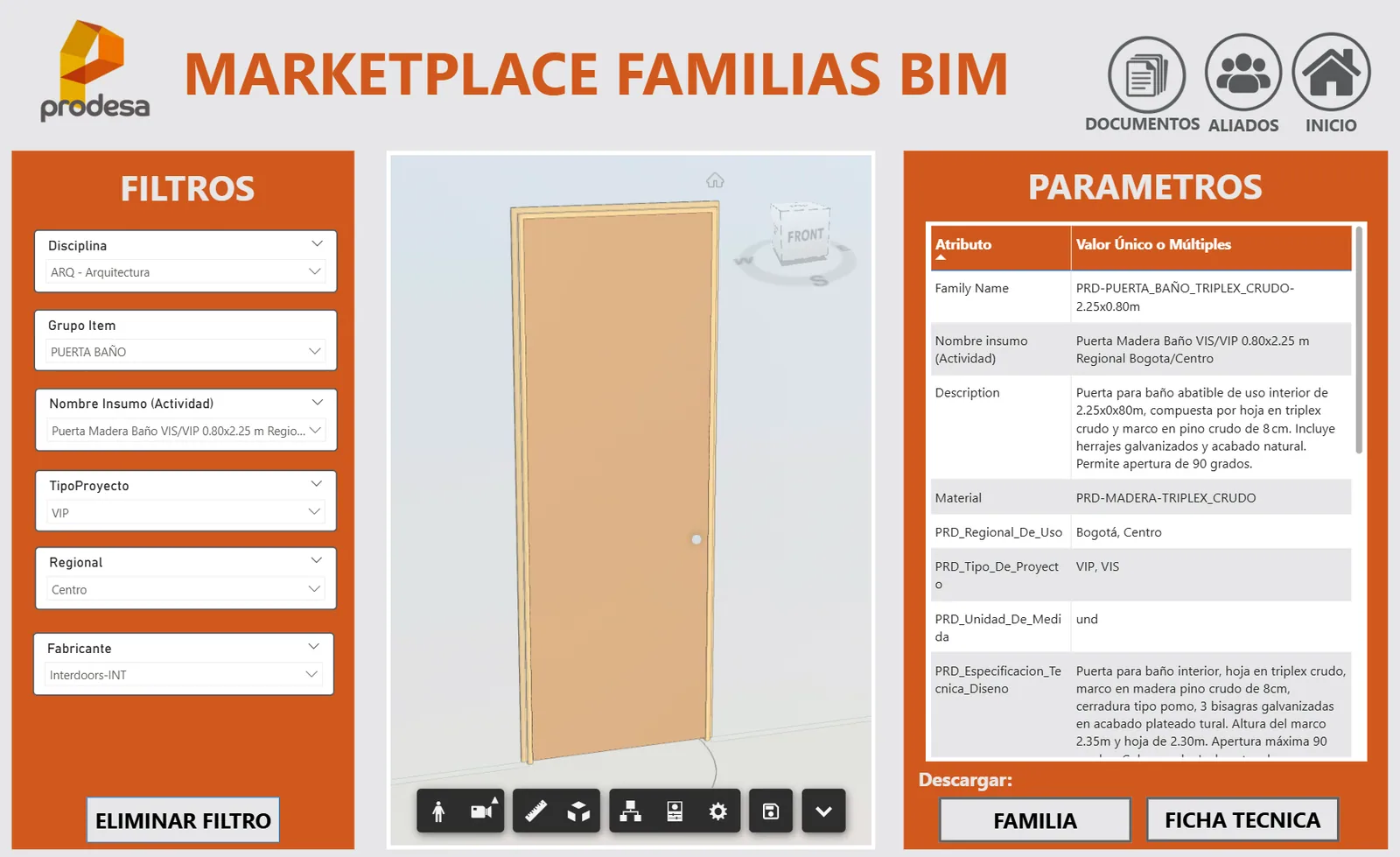
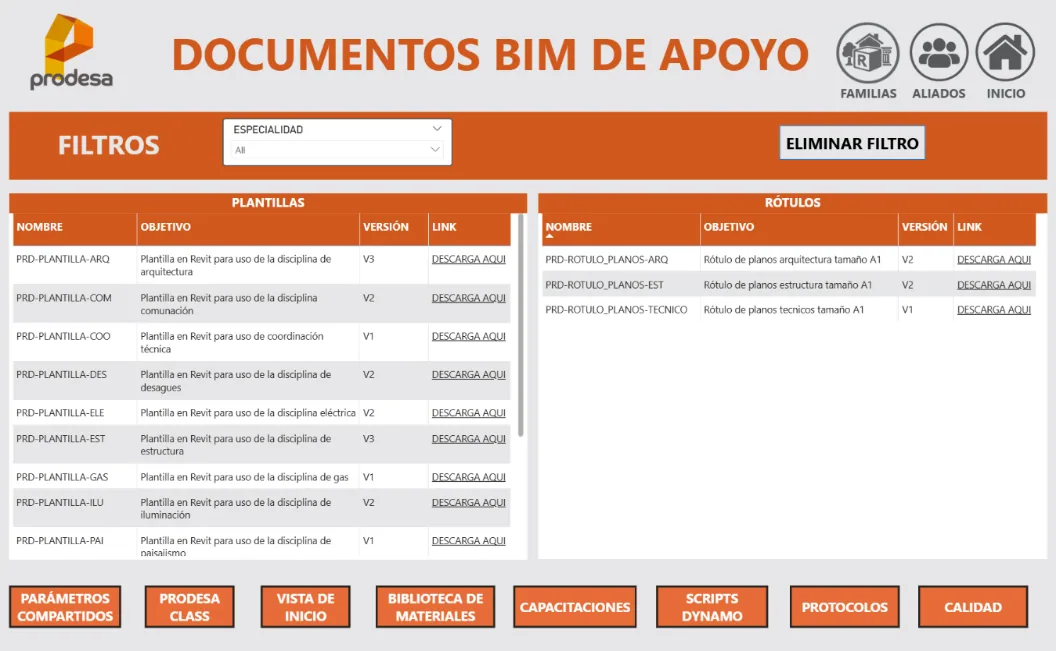
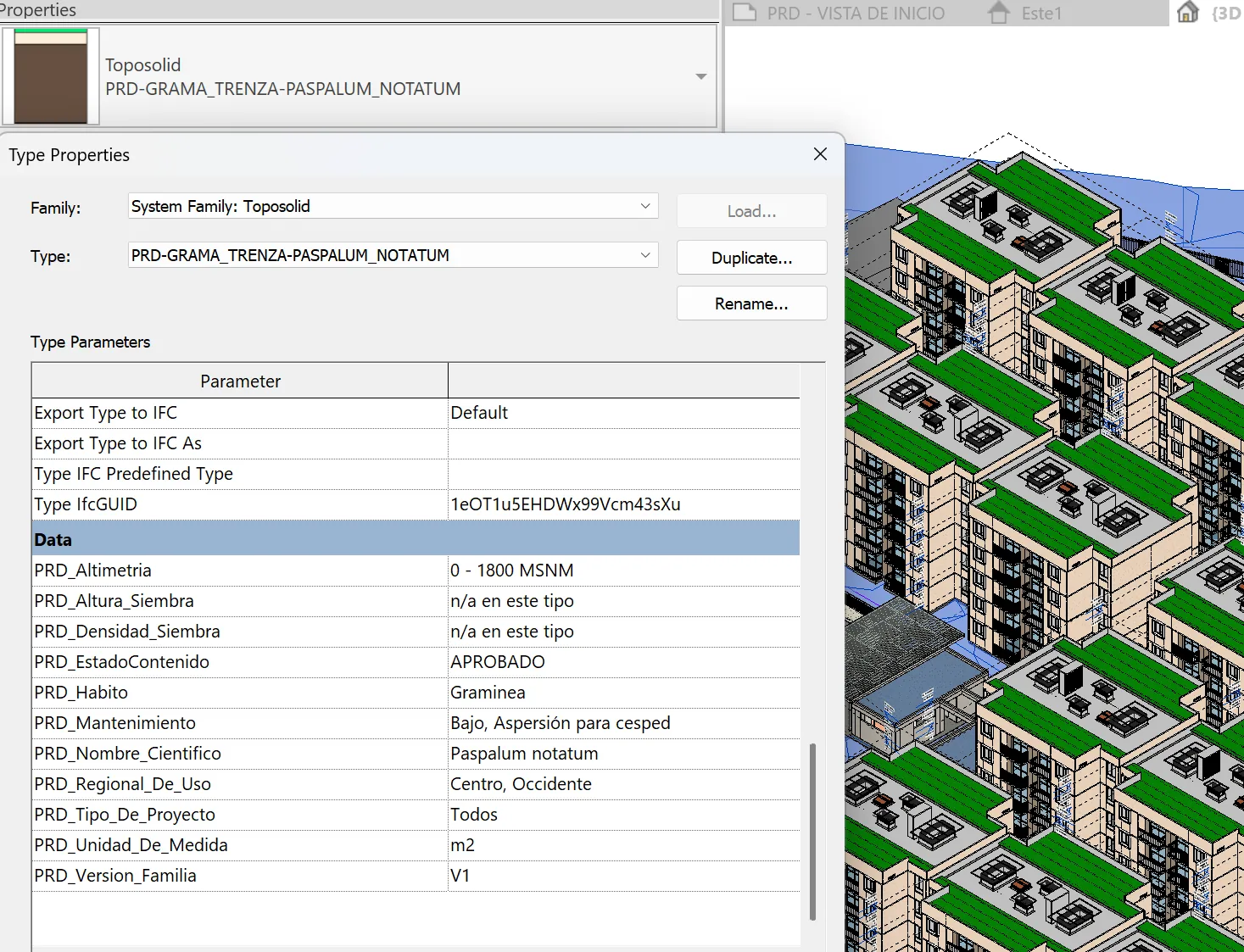
BIM as an operating system for design, procurement, and construction information.
This case shows how a BIM library can become a corporate ecosystem: technical data, Revit objects, quality control, suppliers, documents, automation, and dashboards work from the same logic of validated project information.